Roof restoration vs repair in Adelaide is a decision about scope: repair a defined defect, restore a wider roof area where the system supports the work, or assess replacement where deterioration is extensive. “Restoration” is often used as a broad description, but it should not be a default answer to every roof concern. We define the right scope from the roof material, component condition, water-entry source and expected outcome, not simply the roof’s age from the street.
Repair, restoration and replacement are different decisions
Repair focuses on a defined defect: a cracked tile, loose ridge cap, failed flashing, local leak path or isolated drainage fault. We identify and repair that defect while retaining sound surrounding materials.
Restoration is a broader programme based on the roof inspection. Depending on the roof and agreed scope, it may involve cleaning, defect repairs, ridge repairs or repointing, and compatible protective finishes. We explain which items are included, which are excluded and how the proposed work suits the roof’s condition.
Replacement becomes relevant where components are extensively deteriorated, the roof system is no longer reliable, or targeted work would not provide a sensible long-term outcome. It is a larger decision that should follow a thorough assessment rather than a generic sales pitch.
Roof Defects, Materials and Repair Scope
- Is the problem local, or does it appear across multiple roof areas?
- Are there active leaks, displaced materials or damaged flashings that need priority attention?
- Is the roof structure and substrate in a condition that supports the proposed work?
- Does the scope address drainage and roof penetrations, not only the visible surface?
- What maintenance will the finished system still require?
Roof Wear, Water Entry and Finishing Limitations
Surface weathering, lichen and colour variation alone do not mean a roof needs full restoration. We check the roof condition, including drainage and flashings, then explain the recommended work and what it will address. This helps you understand the repair needs as well as any proposed finish.
For older roofs, preserving compatible materials and understanding how water moves across the roof are often more valuable than applying a one-size-fits-all treatment. The safest starting point is a ground-level review and a discussion about access, hazards and the inspection method. Roof work requires planned access, fall protection, weather awareness and care around fragile surfaces.
Choose the scope for the roof material
We check the material and the defects before recommending restoration work. The same faded colour or water mark can call for different work on concrete tiles, terracotta tiles and metal roofing.
Concrete roof tiles
Check the tiles for cracks, displacement and local damage, then consider ridge bedding and pointing, flashings, valleys and drainage. If the surrounding roof is sound, replacing damaged tiles or repairing a junction can be a focused scope. More widely distributed defects call for a broader repair plan before any surface finish is considered. A colour refresh is a separate finish decision; it does not establish that the source of a leak has been repaired.
Terracotta roof tiles
Terracotta colour is formed during firing, so a change in surface appearance is not automatically a reason to repaint the roof. We check the condition of the tiles and connected roof details, including ridges, flashings and valleys, and confirm the suitability of any proposed cleaning or finish for the existing material. Local tile or junction repairs and wider restoration work should each identify the defects they address. The tile roof repair guide explains the signs that help begin that assessment.
Metal roofing
We review sheets, laps, fasteners, flashings and drainage, and distinguish surface deposits from deterioration of the coating or metal. An isolated connection or damaged component requires a different scope from deterioration across several areas. Surface preparation and any protective finish need to suit the existing metal and coating; a finish proposal should explain that compatibility as well as the repairs underneath it.
Finish work and defect repairs serve different purposes
Cleaning or a compatible finish can change a roof's appearance. Repair work addresses a named defect such as a cracked tile, loose ridge cap, failed junction or drainage fault. For concrete tiles, repainting should not be treated as proof of improved waterproofing. We check the water-entry path and the affected components before recommending the repair work, then discuss any finish as its own part of the scope.
Where the concern is along ridge or hip lines, the ridge capping and repointing guide explains the difference between the supporting bedding and visible pointing. Those components need a condition assessment even when the tile surfaces look tidy.
Plan repairs before restoration finishes
Start with the active leak or damaged component. We identify its location, check connected roof details and define the repairs required before arranging any cleaning and finish work. This avoids hiding an unresolved defect beneath a refreshed surface. The sequence follows the roof condition and the agreed access arrangements; further investigation is identified where a concealed area cannot yet be assessed.
A local defect can remain a targeted roof repair. When related defects extend across the roof and the underlying system supports the proposed work, the assessment can inform a broader roof restoration scope. Extensive deterioration requires a wider discussion. Age, colour or a single stain alone does not settle that decision.
Our roof-renewal photographs include removal work and the completed exterior. Use them to discuss the extent of work with us; the photographs do not mean every weathered roof needs the same scope.
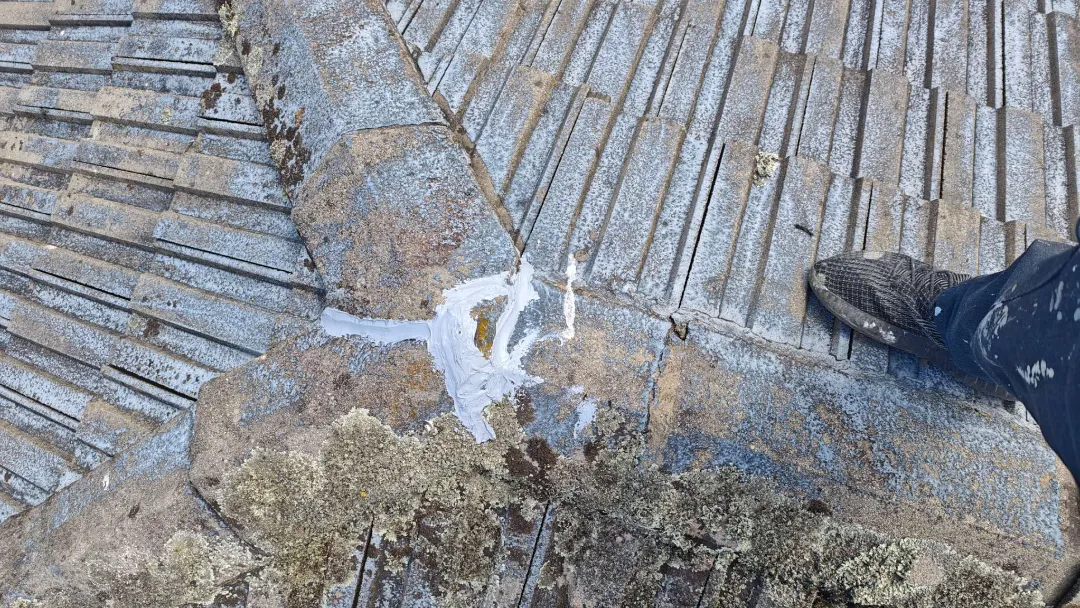
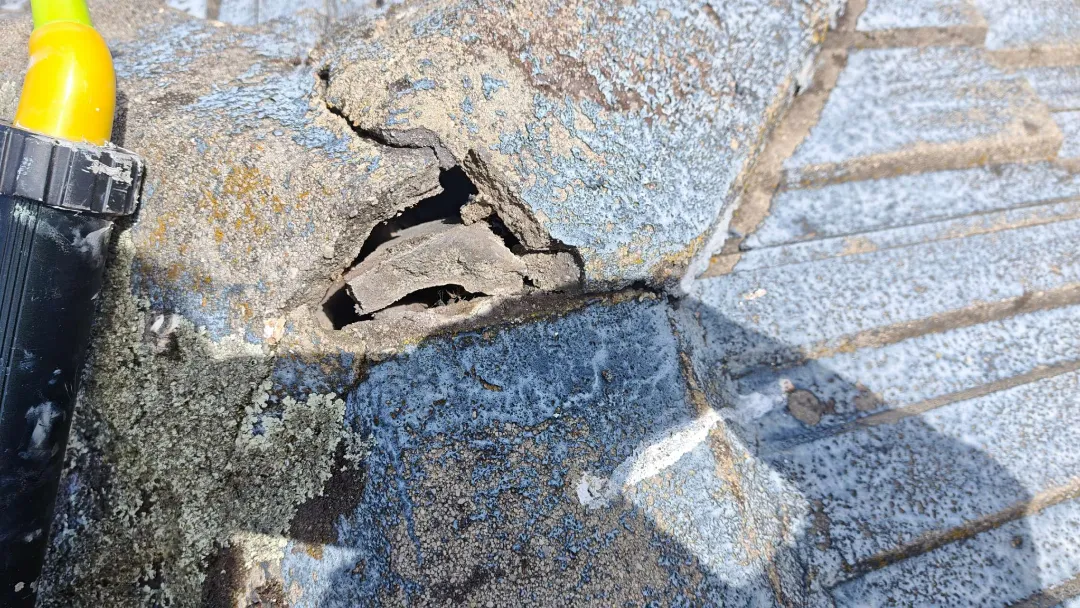
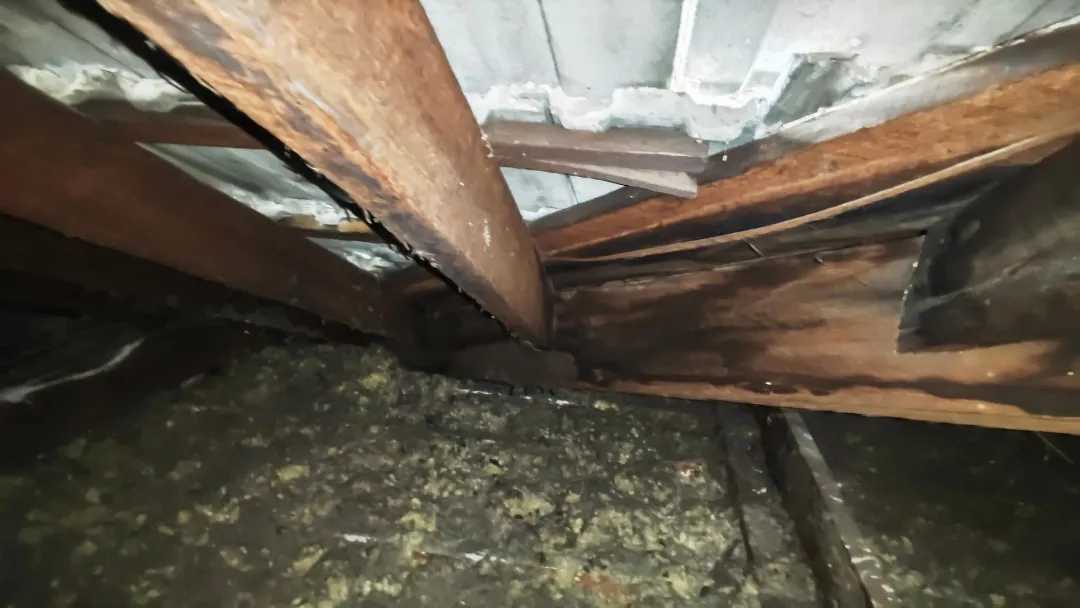
Roof repair photographs: tiles and timber
These photographs from our roof timber repair project show tile and junction defects and the timber beneath the roof. We assess these areas and repair the agreed defects before planning a compatible finish.
Heat reflective coatings and roof replacement
We apply NXT Cool Zone to suitable concrete tile, terracotta tile and metal roofs after repairs and preparation. Coating suits a roof that can support a compatible finish. When deterioration is extensive, we assess the repair or replacement work needed before discussing appearance or heat reflection. A coating cannot restore failed roof components.
Roof colour, TSR and heat reflection
Total solar reflectance (TSR) describes how much incoming solar energy a surface reflects. Nutech lists different TSR values for different NXT Cool Zone colours, so a dark colour and a light colour are not equivalent. Solar reflectance index (SRI) is a different measure that also accounts for thermal emittance. Neither figure is an indoor temperature reduction.
We discuss colour and gloss alongside the roof material, existing finish and your appearance preferences. Infrared reflection relates to solar heat absorption; UV resistance relates to weathering of the coating. They describe different properties.
Roof coating and ceiling insulation do different jobs
A reflective coating acts at the outside surface. Ceiling insulation slows heat transfer through the ceiling and is described by thermal resistance, or R-value. NXT Cool Zone is not a replacement for ceiling insulation and does not add a fixed insulation R-value. Indoor comfort and energy use depend on the whole building and weather.
Planning roof coating work in Adelaide
Adelaide summer sun makes roof colour and solar absorption relevant to coating choices. We plan preparation and application around actual conditions, including surface temperature, dryness and the forecast. We allow the drying and curing time specified for the selected system.
Our preparation, coating and written quote
Our quote sets out the roof areas, defect repairs, preparation, primer, finish and colour, together with access, protection and price. We complete the agreed work, check the finished areas and explain maintenance and applicable material and workmanship coverage.
Ask us about heat reflective roof coating in Adelaide · Metal roof repairs before coating
Manufacturer coating and colour information · YourHome: passive cooling and roof heat gain